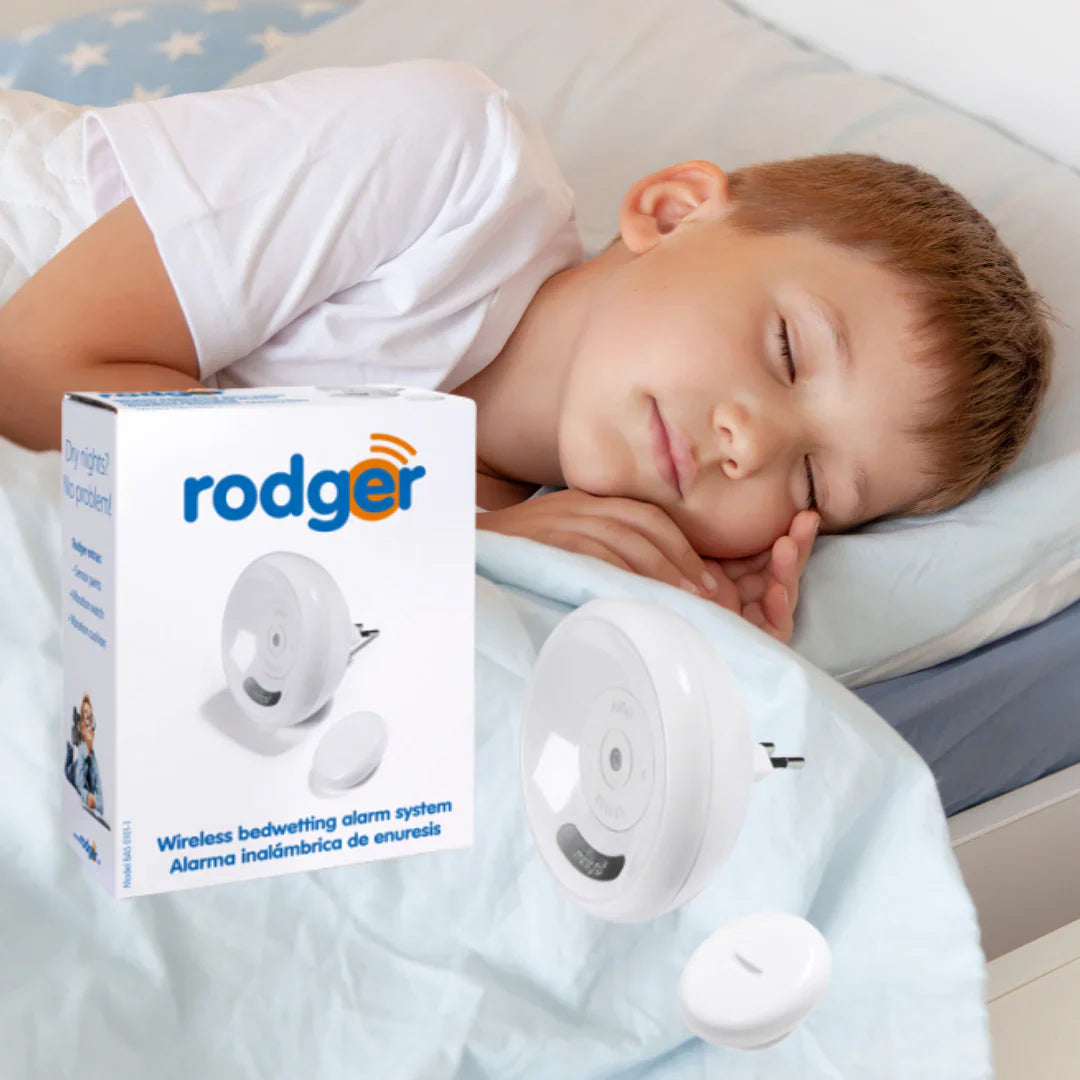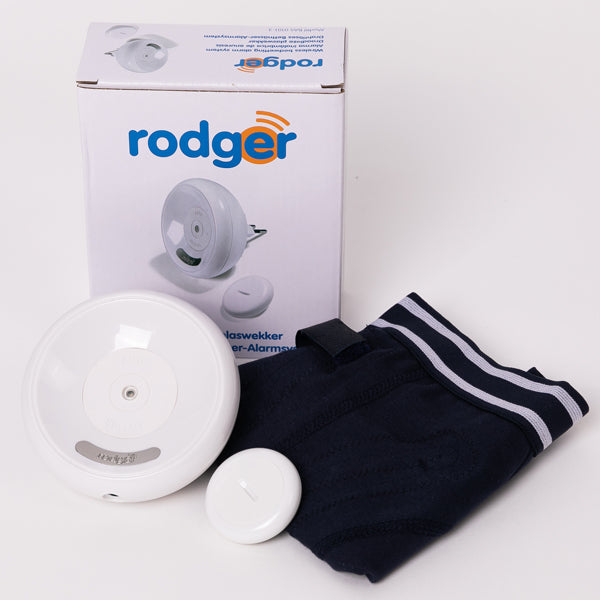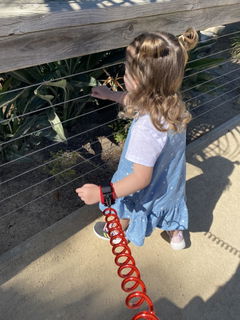
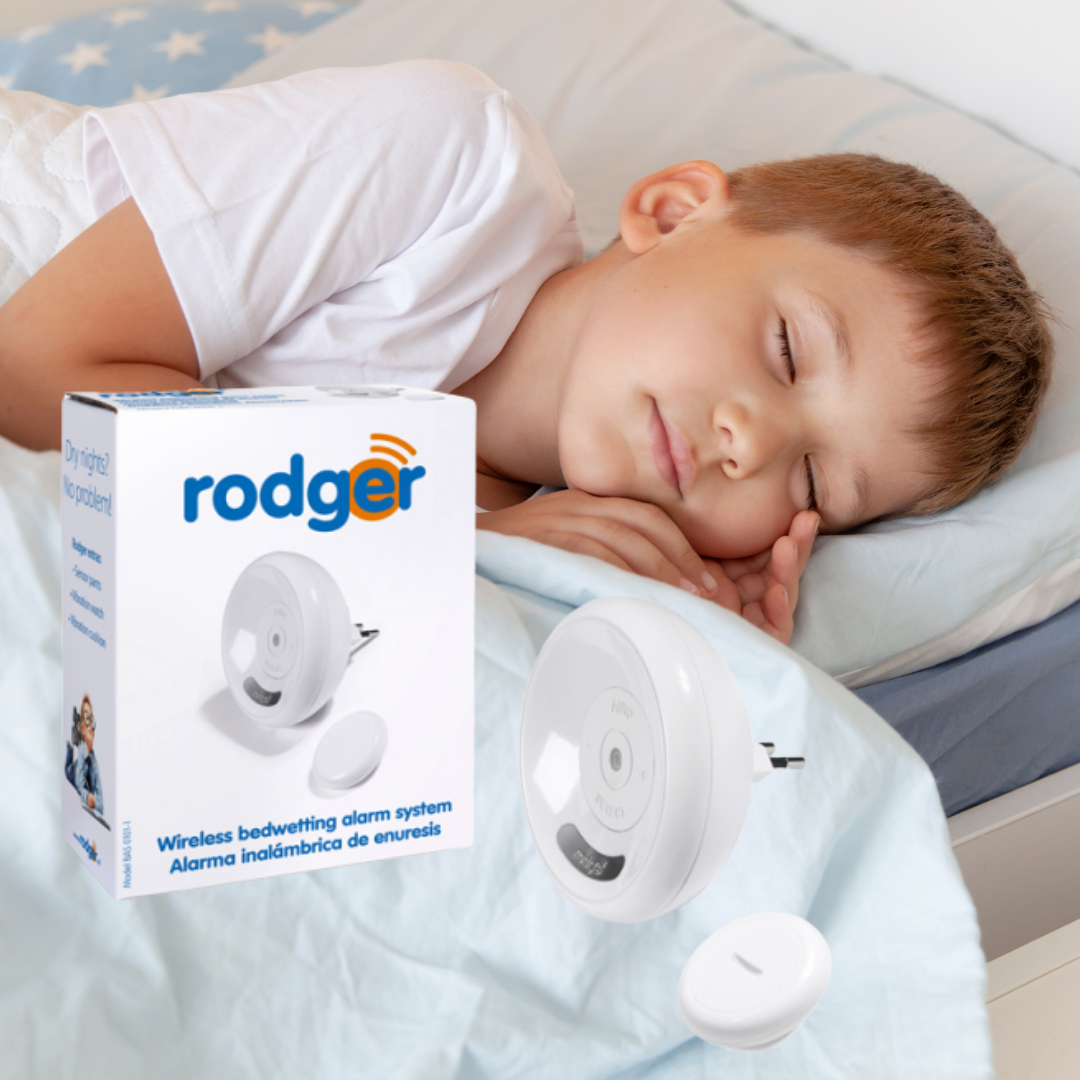
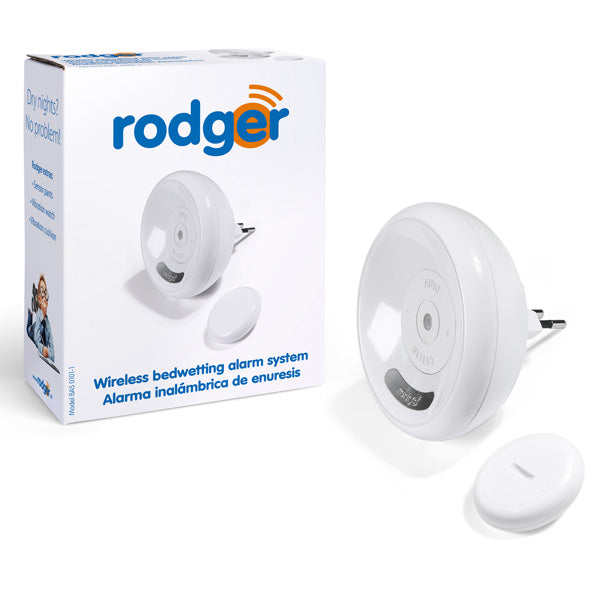
Type: Bedwetting Alarm
Rodger Wireless Bedwetting Alarm Kit
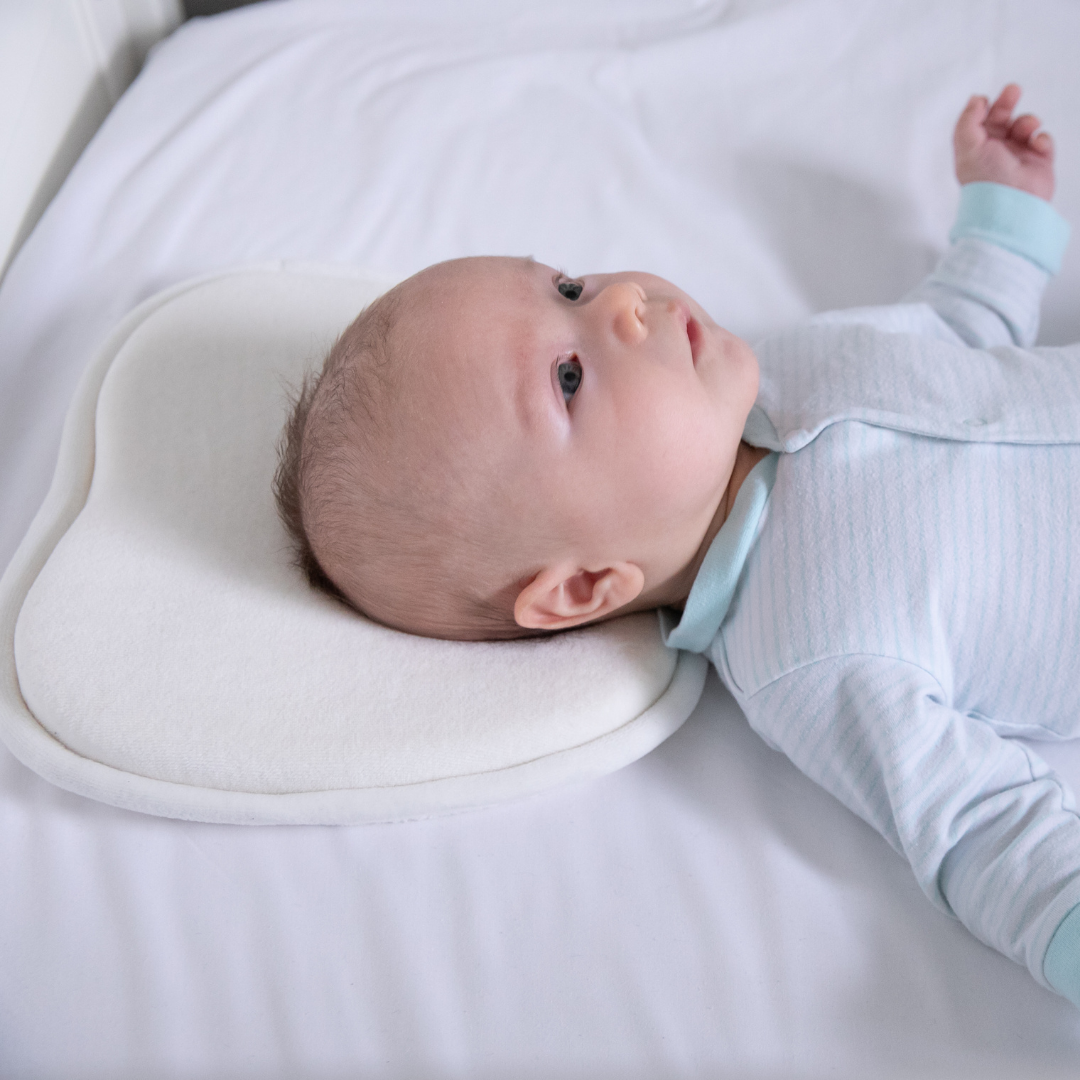
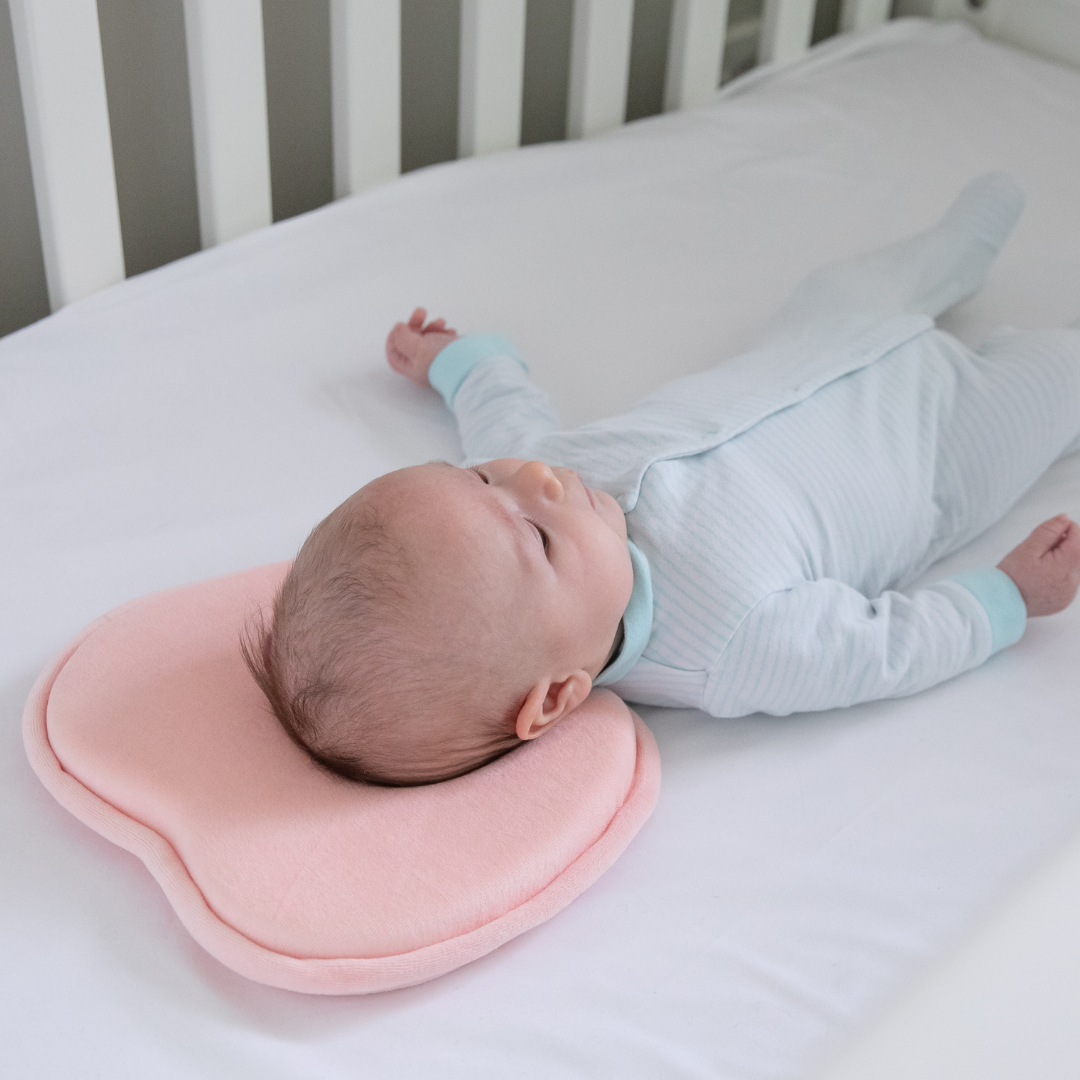
Type: Baby Head Shape Support
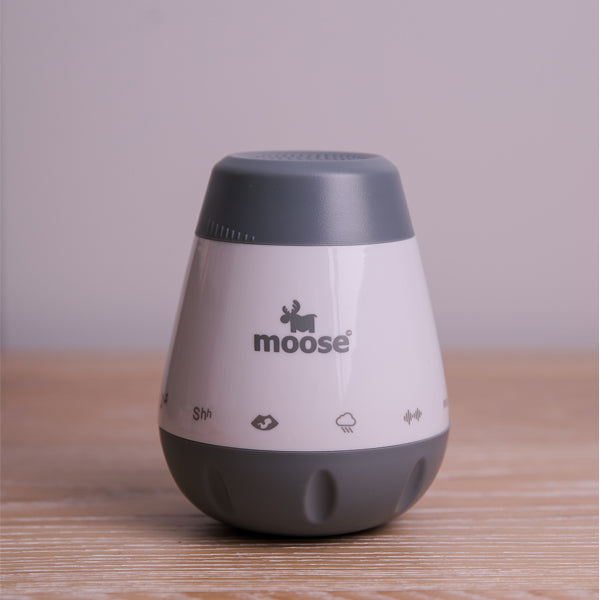
Moose Baby-Head-Shape Support
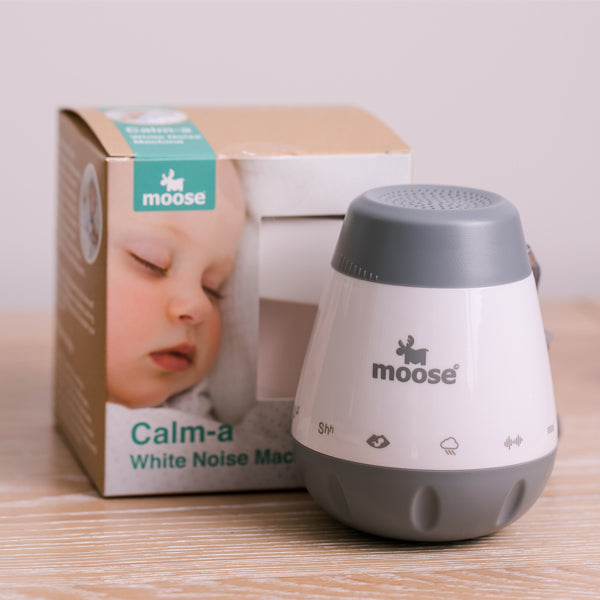
Type: Safety Harness
Moose Noose Toddler Safety Harness
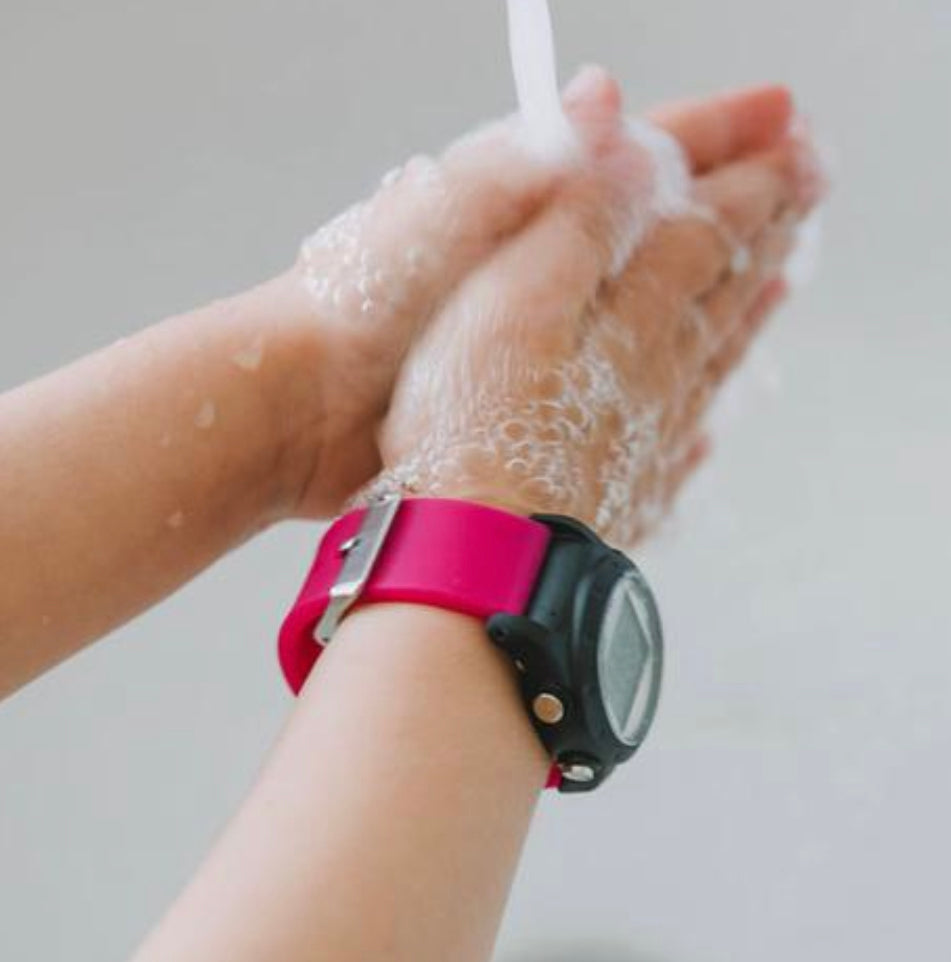
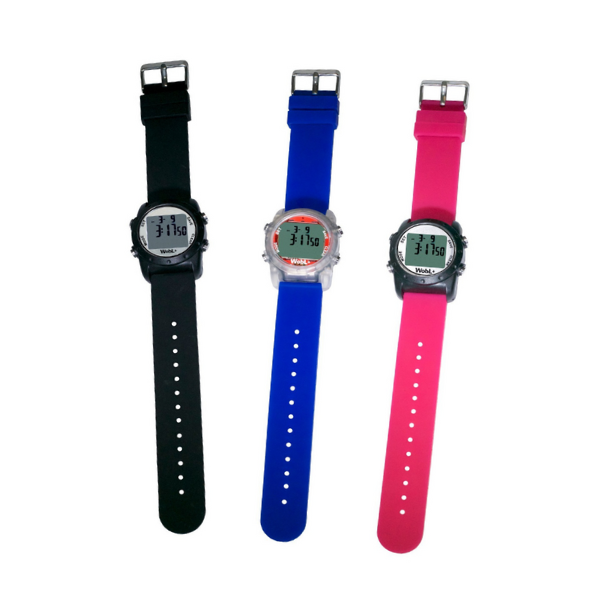
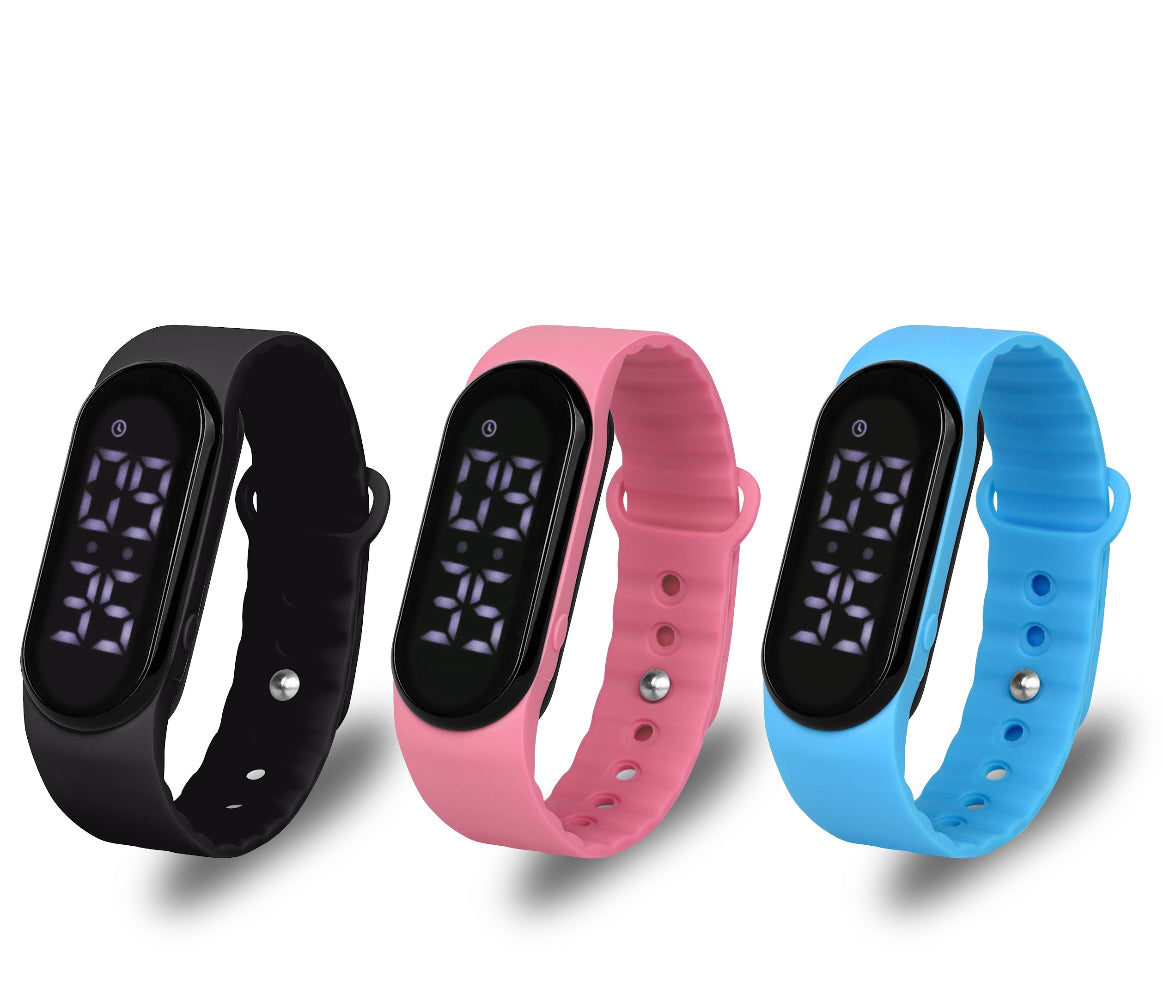
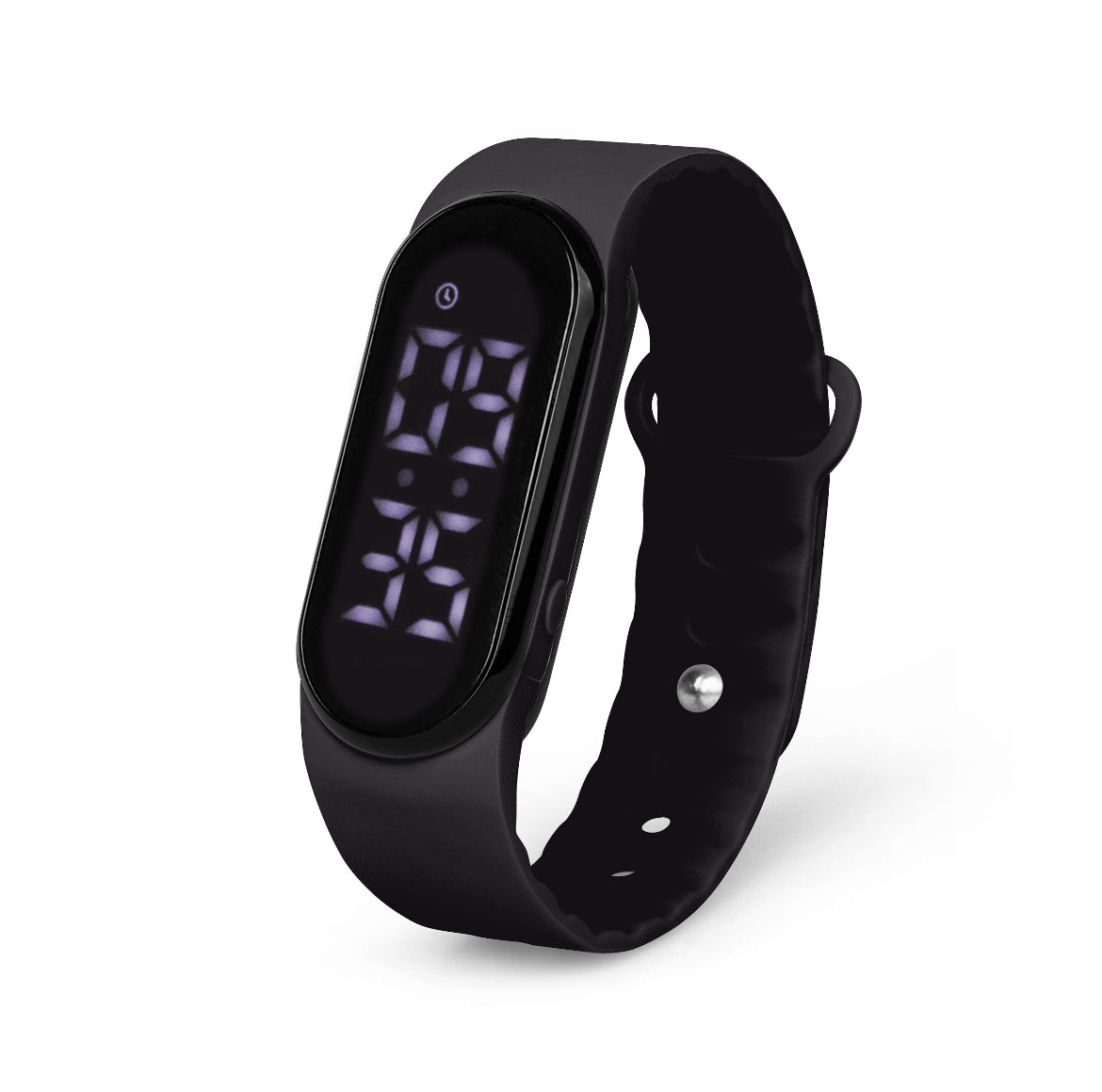
Type: Vibrating Reminder Watch
Rodger Buddy Vibrating Reminder Watch
Type: Baby & Toddler
Absolute Essential Baby Teething 25ml
Type: Baby & Toddler
Absolute Essential Baby Ear 25ml
Type: Baby & Toddler
Weleda Calendula Shampoo & Body Wash, 200ml
Type: Baby & Toddler
Weleda Calendula Nappy Change Cream (30ml)
Type: Maternity
Weleda Stretch Mark Body Butter, 150ml
Type: Maternity
Maia Mum Belly Bestie Support Belt
Type: Maternity
Maia Mum Revive-It C-Section Scar & Stretch Mark Cream - 30ml
Type: Maternity
Maia Mum Heal-It Nipple Cream - 15g
Type:
VibraCool® Extended for Knee & Ankle Pain

Type:
VibraCool® Easy Fit for Elbow & Wrist Pain
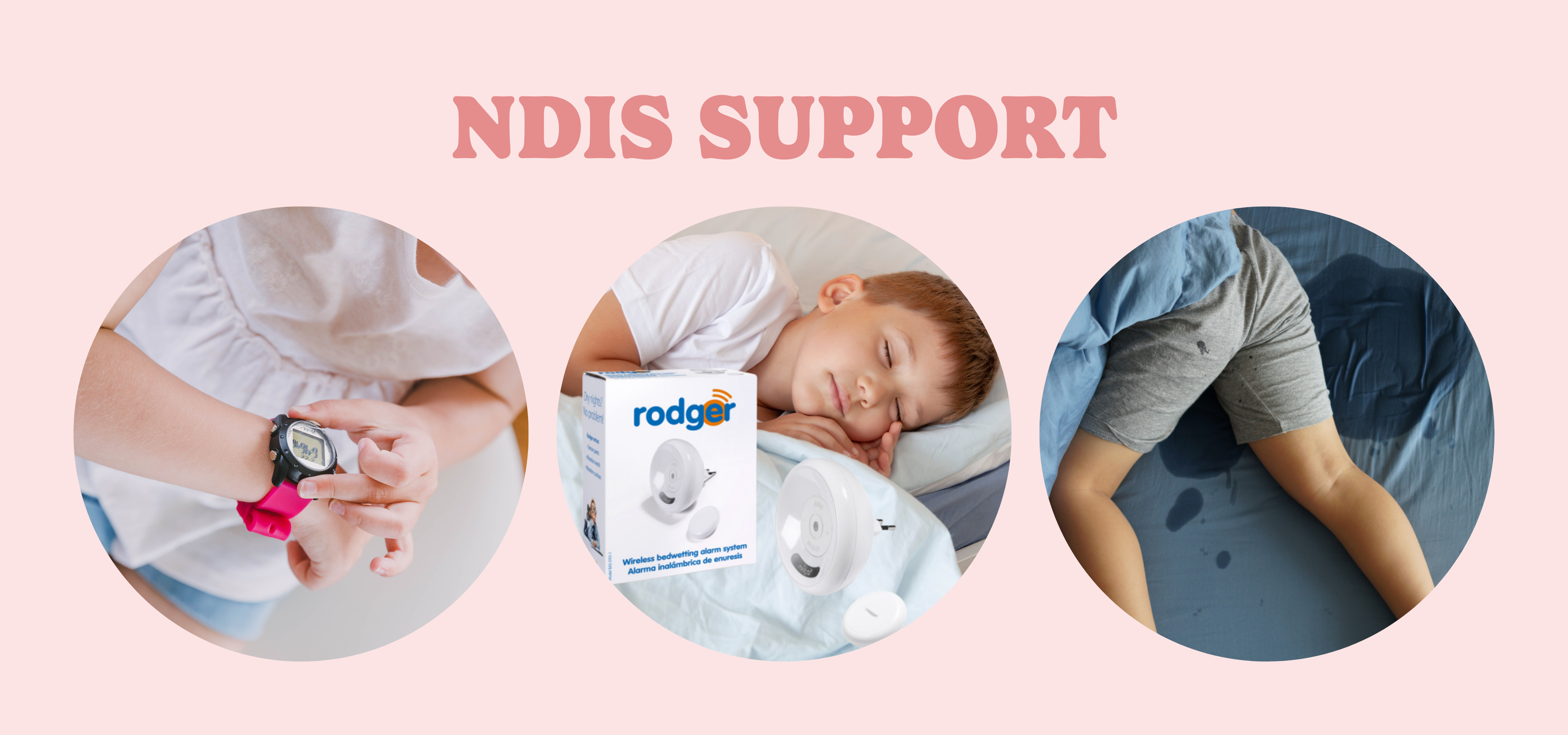
NDIS Support
Specializing in solutions for bedwetting, daytime continence, and toilet training challenges

Vibracool - I'm NEW!
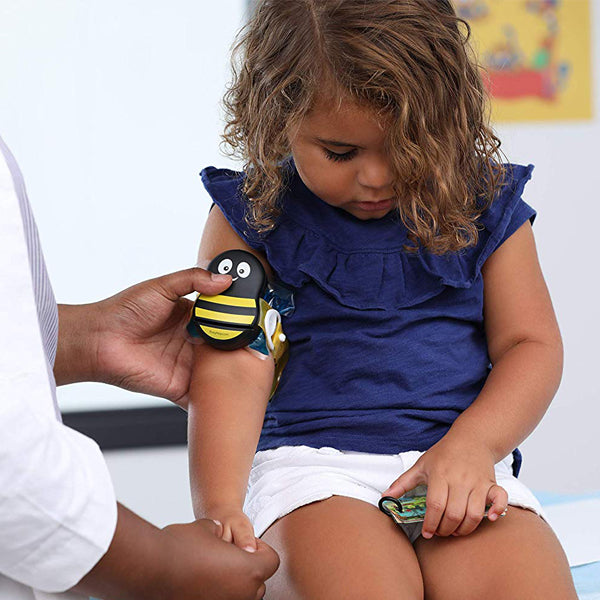
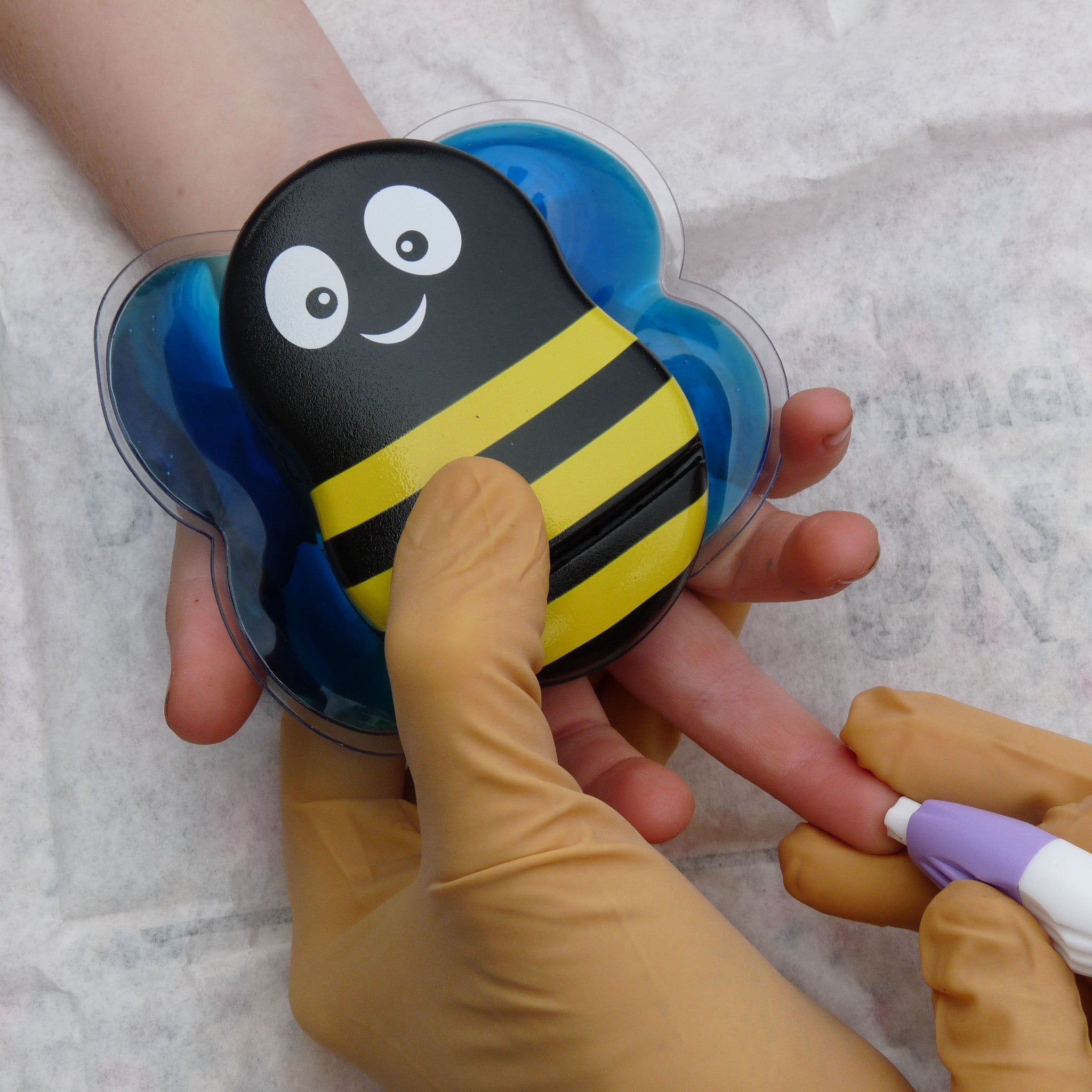
VibraCool is a wearable, drug-free pain relief device that combines high-frequency vibration with hot or cold therapy to block pain and promote recovery. It features a small vibrating unit paired with a gel cold pack for inflammation or warm pack for stiffness and chronic pain.
The vibration not only disrupts pain signals through mechanical stimulation (M-Stim) but also increases blood flow to the affected area, helping the body heal faster.
VibraCool is ideal for joint pain, muscle tightness, pregnancy aches and postpartum recovery — perfect for those seeking natural pain relief without drugs or medication.
The Moose Baby Blog
When Should You Start Using a Bedwetting Alarm? 6 Signs It's Time
Your child is school age and still wetting the bed most nights. You have tried a few things. Nothing has stuck. And now you are wondering whether a bedwetting alarm is the right move, or whether you should just wait it out a little longer. It is a genuinely hard call. Alarms work really well, but timing matters. Start too early and your child may not be ready. Wait too long and the problem can become harder to shift. Here are six signs that you and your child are ready to give one a go. 1 Your child wants to stop wetting the bed This is the biggest one. Motivation is the single most important factor in whether an alarm works. If your child is frustrated, asking questions, or telling you they hate waking up wet, that is a real green light. If they are not bothered at all, it might be worth waiting until they are. 2 Your child no longer wants to wear pull-ups Pull-ups can become a comfort crutch that removes the urgency to change. When your child starts refusing them, or when they no longer fit properly and leaks are becoming a nightly issue, it is usually a sign that it is time to move forward with a more active solution. 3 Your child has started noticing that friends or siblings are dry As children get older, they become more aware of what their peers are doing. If your child has started asking why they still wet the bed when their friends do not, or if you can see their confidence starting to dip, that awareness is worth paying attention to. An alarm gives them something concrete to work towards and that sense of progress can do wonders for how they feel about themselves. 4 Your child is anxious about sleepovers or school camp This one comes up a lot. Your child gets invited to a sleepover and instead of being excited, they go quiet. Or school camp is coming up and the worry about others finding out is real and heavy. If bedwetting is starting to limit what your child feels they can do socially, that is a sign it is time to act. Starting an alarm a couple of months before a big event can make a real difference. 5 Your child would do almost anything to stop If your child is actively asking what they can do, trying their hardest, and still not getting dry, an alarm is the next logical step. That level of motivation means they are ready to put in the effort the process requires. And it does require effort, from both of you, especially in the first few weeks. 6 Your family is in a fairly settled routine Using an alarm well means getting up in the night with your child, at least in the early stages. That is a real commitment and it is much easier to sustain when life is reasonably calm. You do not need perfect conditions, but starting during a busy school holidays, a house move, or a stressful work period makes it harder. Pick a window where you have a bit of headspace and a regular bedtime routine in place. What to expect when you start The first few nights are always the hardest. Your child will wet, the alarm will sound, and you will both be up. That is normal and expected. The alarm is not meant to stop wetting immediately. It is training the brain over time to wake up before it happens. Most children start to see improvement within a few weeks. Full dryness can take anywhere from six to sixteen weeks depending on the child. Some get there faster, some take a little longer. The key is consistency. Using the alarm every night is what makes it work. Be patient with your child and with yourself. This is a process, not a switch. Not sure which alarm is right for your child? We stock a range of bedwetting alarms to suit different ages, sleep styles, and budgets. Free shipping on orders over $150. Shop Bedwetting Alarms Or head back to our Bedwetting Help hub for more guides and advice.
Learn moreWhy Does My Child Still Wet the Bed? Causes of Bedwetting Explained
If you have ever stood in the hallway at midnight, stripping wet sheets for the third time that week, you have probably asked yourself this question. Why is this still happening? You are not alone. Bedwetting affects around 1 in 5 children in Australia after starting school. And in most cases, it has nothing to do with what you are doing as a parent or how hard your child is trying. Here is what is actually going on. It usually comes down to three things Most bedwetting is caused by a combination of the following, not just one on its own. 1. The body makes too much urine overnight During sleep, the body releases a hormone that slows urine production. In children who wet the bed, this hormone is sometimes not produced in large enough amounts yet. So the kidneys keep producing urine at a faster rate than the bladder can handle. 2. The bladder can only hold a small amount at night Some children have a bladder that sends urgent signals before it is even close to full. This is called an overactive bladder. It means your child genuinely cannot hold on, even if they really want to. 3. Your child sleeps deeply and does not wake to the signal This is the most common piece of the puzzle. The brain and bladder need to learn to communicate during sleep. In children who wet the bed, that connection is still developing. When the bladder sends a signal that it is full, the brain simply does not respond. Your child is not choosing to ignore it. They genuinely cannot hear it yet. It is not laziness. It is not bad behaviour. This is worth saying clearly. Bedwetting is not something your child can control by trying harder. It is not caused by drinking too much water, being naughty, or being a heavy sleeper by choice. It is a developmental stage, and it runs in families too. If you or your partner wet the bed as a child, your child is more likely to as well. Punishing or shaming a child for bedwetting does not help. In fact, it can make things worse by adding anxiety to an already difficult situation. What helps is support, patience, and the right tools when the time is right. When does it stop on its own? Many children do grow out of bedwetting without any treatment. The brain and bladder connection strengthens over time and dry nights start to happen naturally. But for some children, waiting it out is not the right answer. If your child is school age, frustrated, starting to avoid sleepovers, or showing signs that their confidence is taking a hit, it is worth looking into a bedwetting alarm. Alarms work by training the brain to respond to a full bladder during sleep, which is exactly the connection that needs to form. After the age of eight or nine, bedwetting rarely resolves on its own without some support. So if your child is in that age range and still wetting most nights, now is a good time to act. When should I see a doctor? Most bedwetting does not need a medical investigation. But it is worth speaking to your GP if: Your child was dry at night for a long period and has suddenly started wetting again There are accidents during the day as well as at night Your child is complaining of pain or burning when they urinate You notice blood in their urine Your child seems unusually thirsty or tired In these cases a GP can rule out any underlying causes like a urinary tract infection or other conditions before you start alarm treatment. Ready to take the next step? A bedwetting alarm is one of the most effective tools available. We can help you find the right one for your child. Shop Bedwetting Alarms Or head back to our Bedwetting Help hub for more guides and advice.
Learn moreBed Wetting Alarm: Everything Australian Parents Need to Know
Bed Wetting Alarm: Everything Parents Need to Know Your child is wetting the bed. You're exhausted from the washing. They're embarrassed. You want to help — but where do you even start? This guide has all the answers. 📅 Updated May 2026 ⏱ 9 min read ✅ Evidence-based 1 in 5 Australian children wet the bed 75% Success rate with a bedwetting alarm 12 wks Typical treatment duration #1 Doctor-recommended treatment In this guide What is a wetting bed alarm? How does it actually work? Does my child need one? Types of bedwetting alarms How to use a wetting bed alarm What to expect week by week Tips for success Frequently asked questions What is a wetting bed alarm? A wetting bed alarm (also called an enuresis alarm or bedwetting alarm) is a small electronic device designed to wake your child the moment they start to wet the bed at night. It detects that very first drop of urine and immediately triggers an alert — usually a loud sound, vibration, or flashing light. The concept sounds simple, and it is. But the results are genuinely impressive. A wetting bed alarm is the most effective long-term treatment for nocturnal enuresis (the clinical term for bedwetting), with studies showing it works for up to 75% of children. Better still, unlike medication, the improvement tends to last. The alarm trains the brain rather than masking the problem — which means once your child gets it, they really get it. 💡 Good to know Bedwetting alarms are recommended by the Royal Children's Hospital Melbourne, Continence Health Australia, and paediatric specialists right across the country. They're not a gimmick — they're the gold standard. How does a wetting bed alarm actually work? Here's the science in plain language. When children wet the bed, it's not because they're lazy or misbehaving. It happens because the brain isn't yet getting the "full bladder" signal during sleep clearly enough to wake the child. The bladder fills, the child sleeps on, and the wetting happens. A wetting bed alarm interrupts that pattern through a process called conditioned learning. Here's what happens: 1 The sensor detects moisture A tiny sensor in your child's underwear (or on a pad beneath the sheet) picks up the very first drops of urine — before much wetting can occur. 2 The alarm sounds An audible alert, vibration, or flashing light activates immediately — waking the child (and quite possibly you) right away. 3 The child gets up and goes to the toilet Your child stops the flow, gets up, finishes on the toilet, changes if needed, and resets the alarm for the rest of the night. 4 The brain starts to learn Over weeks, the brain begins associating the feeling of a full bladder with waking up — eventually the child wakes before the alarm even goes off. 5 Dry nights become the new normal Most children achieve 14 consecutive dry nights within 8 to 12 weeks of consistent use. That's the finish line — and it's very achievable. "Bedwetting alarms are the only proven method to cure bedwetting in up to 75% of children who suffer primary nocturnal enuresis." — DRI Sleeper Bedwetting Alarm Research Does my child actually need a wetting bed alarm? First things first: if your child is under 5, don't worry. Bedwetting at this age is completely normal — nearly one in three four-year-olds still wet the bed, and the body simply hasn't developed night-time bladder control yet. A wetting bed alarm starts to make sense when: Your child is 5 years or older and wetting the bed regularly They're motivated and genuinely want to be dry The bedwetting is affecting their confidence or social life — avoiding sleepovers, school camps You've tried lifestyle changes and they haven't been enough ⚠️ When to see your GP first If your child also wets during the day, has started wetting again after being dry for months, or shows signs of a urinary tract infection (painful urination, urgency, cloudy urine), see your GP before starting alarm treatment. Types of wetting bed alarms: which one is right? There are two main styles. They both do the same job but work in slightly different ways: Feature Wearable alarm Pad (mat) alarm How it works Sensor clips to underwear; alarm worn on pyjama top Sensor pad under sheet; alarm unit on bedside table Response speed Very fast — detects at source immediately Slightly slower — urine must reach the pad Best for Active sleepers; older children managing themselves Younger children; those sensitive to wearing devices Typical cost (AU) $60 – $150 $80 – $200 Alert style Sound + vibration (great for deep sleepers) Loud audible alarm What about wireless alarms? Wireless alarms transmit a signal from the sensor to a separate receiver — which can even sit in the parents' room. The Rodger Wireless Bedwetting Alarm is our bestseller for exactly this reason: no cords, sensors built into the underwear, and instant moisture detection. 💡 Moosebaby tip For most school-age children, a wearable or wireless alarm is the most popular choice — it responds quickly, travels easily, and gives the child a sense of ownership over their own progress. How to use a wetting bed alarm (step by step) The alarm is only part of the equation — how you use it matters just as much: 1 Have an honest chat with your child Explain what the alarm does and why you're trying it. Children who understand the goal and want to be dry have much better outcomes. 2 Set up the alarm correctly every night Attach the sensor to the inside of underwear at the front. For pad alarms, place the mat under a fitted sheet at hip level. Always test the alarm before lights out. 3 Be ready to help in the first few weeks Most children won't wake to the alarm on their own at first — you'll likely hear it first. Go in, gently wake them, help them to the toilet, then reset the alarm together. 4 Keep a simple progress chart A star chart tracking wet and dry nights is motivating for kids. Celebrate dry nights warmly; respond to wet nights calmly and without blame. 5 Use it every single night Consistency is everything. Missing nights disrupts the conditioning. Use the alarm every night until your child achieves 14 consecutive dry nights. 6 Give it enough time Expect 8 to 12 weeks. Don't give up after two weeks — the brain is genuinely rewiring how it responds to bladder signals during sleep. Changes happen gradually. What to expect: a realistic week-by-week timeline Every child is different, but here's a typical progression with consistent use: Weeks 1–2 Settling in. The alarm is going off most nights. Your child probably isn't waking to it yet — you're doing the waking. This is completely normal. Stay patient and consistent. Weeks 3–4 Early signs. You may notice smaller wet patches — the alarm is catching wetting earlier. Your child might start stirring when the alarm sounds, even if not fully waking yet. Weeks 5–7 Real progress. Most families start seeing their first dry nights. Your child is more likely to wake to the alarm on their own. They may start getting up before the alarm triggers at all. Weeks 8–12 Breakthrough. Dry nights are the norm. The alarm is triggering less and less. Keep going until you hit 14 consecutive dry nights. 14 dry nights in a row 🎉 Success! Treatment is complete. Most children at this point are truly, lastingly dry. Time to celebrate! ✅ The key difference from medication Unlike medication, which stops working the moment you stop taking it, the results from a wetting bed alarm are typically permanent. The brain has genuinely learned a new behaviour — and that sticks. Tips to make the most of your wetting bed alarm Keep the toilet accessible at night. A nightlight on the path to the bathroom helps your child get there quickly once the alarm sounds. Have a change of clothes ready at the foot of the bed. Spare pyjamas and underwear make middle-of-the-night changes quick and calm. Keep your language positive. "The alarm is teaching your brain" is far more empowering than "you wet the bed again." Don't restrict fluids all day. Limit drinks in the hour before bed, but all-day restriction can actually make things worse. Take the alarm on trips. Interrupting treatment for holidays slows progress. Most wetting bed alarms are compact — just pack it. Talk to your GP or continence nurse if you're not seeing progress after 3 months of consistent use. Ready to find the right wetting bed alarm? Browse Moosebaby's range of expert-selected bedwetting alarms — chosen for Australian families, with fast local delivery. Shop Bedwetting Alarms Ask us a question → Frequently asked questions Here are the questions Australian parents ask us most about wetting bed alarms: How does a wetting bed alarm work? + A wetting bed alarm has a small moisture sensor that clips to your child's underwear or sits on a pad beneath the sheet. The moment it detects the first drop of urine, it triggers an alert to wake the child. Over 8 to 12 weeks, the brain learns to recognise the full-bladder feeling during sleep, and the child begins to wake on their own before an accident happens. What age should my child start using a bedwetting alarm? + Most specialists recommend starting from age 5 or 6, once the child is motivated and can understand the process. Under 5, bedwetting is developmentally normal and alarm therapy usually isn't needed. The child's motivation matters as much as their age. How long does a wetting bed alarm take to work? + Most children see significant improvement within 8 to 12 weeks of consistent nightly use. The clinical target is 14 consecutive dry nights. Some respond faster; children who are deep sleepers or wet very frequently may take a little longer. The key is using the alarm every single night without skipping. Do bedwetting alarms work for deep sleepers? + Yes — deep sleepers are actually good candidates for alarm treatment. In the early weeks, parents usually need to wake the child when the alarm sounds. Over time, the conditioning still works beautifully, and most deep sleepers eventually respond on their own. What's the difference between a wearable and a pad alarm? + A wearable alarm clips to the child's underwear with a small unit on their pyjama top — responds very quickly, great for active sleepers. A pad alarm uses a sensor mat under the sheet connected to a bedside unit — easier to set up, suited to younger or more sensitive children. Both are effective; the best one is whichever your child will use consistently. Will the alarm wake up the whole household? + Potentially yes in the first few weeks when the alarm may sound multiple times a night. Many parents find they hear it before their child does. Vibration-only alarms or wireless alarms with the receiver in the parents' room can help manage this. The disruption reduces significantly as dry nights become more frequent. Is a bedwetting alarm better than medication? + For lasting results, yes. Medication like desmopressin can reduce wetting while the child takes it, but wetting often returns when it stops. A wetting bed alarm produces lasting change by training the brain — the success tends to be permanent. Most specialists recommend alarm therapy as first-line treatment, with medication reserved for specific short-term situations like a school camp. You've got this — and so does your child Bedwetting can feel like a big, exhausting, never-ending problem when you're in the middle of it. But here's the reassuring truth: it's incredibly common, it's not your child's fault, and it is very treatable. A wetting bed alarm is the most effective tool available — backed by decades of research, recommended by paediatricians and continence specialists across Australia, and used successfully by hundreds of thousands of families. It takes a few weeks of commitment and a little broken sleep, but the payoff — a child who sleeps confidently through the night — is absolutely worth it. At Moosebaby, we're with you at every age and stage. If you're unsure which alarm is right for your child, our team is always happy to help. 📞 Need extra support? The Continence Foundation of Australia runs a free Helpline at 1800 330 066 where you can speak directly with a continence nurse advisor — brilliant for personalised guidance. Shop wetting bed alarms at Moosebaby Australian-owned. Fast delivery. Expert advice. We carry the leading brands trusted by Australian families and recommended by health professionals. View All Bedwetting Alarms Read more guides → Bedwetting Children's Sleep Toddler Health School Age Nocturnal Enuresis Parenting NDIS Medical disclaimer: This article is for informational purposes only and does not constitute medical advice. If you have concerns about your child's bedwetting, please consult your GP, paediatrician, or a continence health specialist. For expert guidance, contact the Continence Foundation of Australia Helpline on 1800 330 066.
Learn more
Exclusive Distributors of International Brands